Skip to content

Care, in real time

Telemedicine platforms patients and doctors trust

We build video consultation, e-prescription and remote monitoring platforms designed around India's Telemedicine Practice Guidelines and HIPAA requirements for US patients.

Care beyond the clinic walls

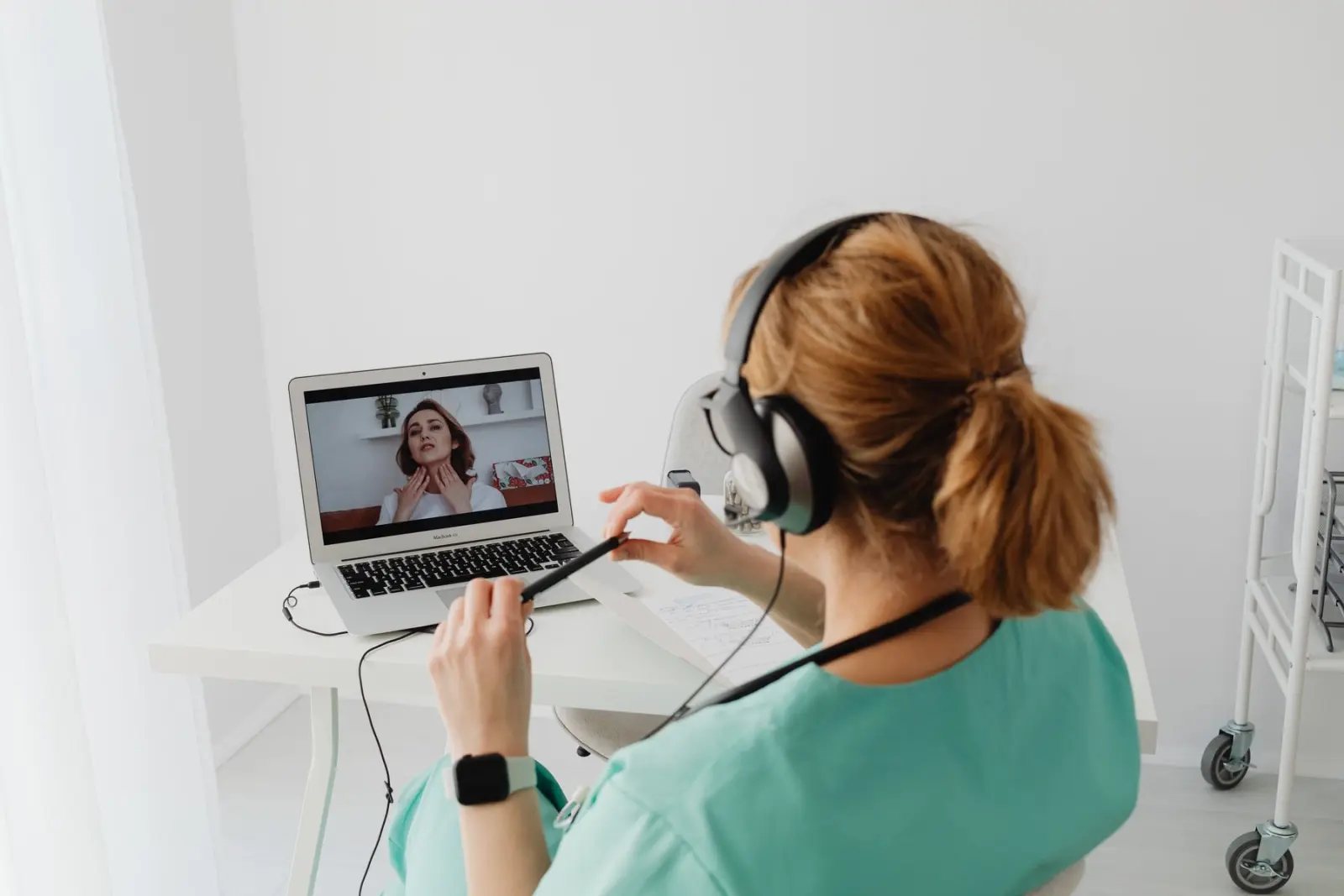
Telemedicine lets patients consult a doctor without travel, lets specialists reach smaller towns and lets clinics follow up chronic patients between visits. It only works when video holds up on average mobile networks, doctors can see history and write prescriptions quickly, and patients get clear next steps, medicines and lab orders after the call.

We work with hospitals adding teleconsultation, clinic chains, specialty practices in mental health, dermatology and diabetes care, digital health startups, corporate health providers and pharmacy brands. In India, teleconsultations are governed by the Telemedicine Practice Guidelines issued in 2020, which set rules on consent, patient identification and which medicines can be prescribed remotely.

Nexzem builds telemedicine with prescription templates and drug lists that support those rules, consent capture and complete consultation records. For US patients, we follow HIPAA safeguards and host with providers that sign Business Associate Agreements. Platforms can link to ABDM for ABHA-based record sharing, and appointment reminders run on WhatsApp through NexChat.

What telemedicine teams get with Nexzem

Scroll along the line: each outcome lights up as the signal reaches it.

  1. Reliable video

    Adaptive calls work on average mobile networks in smaller towns.

  2. Faster consults

    Templates and history views help doctors finish notes quickly.

  3. Rule-aware design

    Consent, identification and prescription rules are built into workflows.

  4. Continuous care

    Remote monitoring keeps chronic patients connected between visits.

Telemedicine software we build

Video consultation, e-prescription and remote monitoring platforms for clinics, hospitals and digital health startups.

Video consultation platforms

Scheduled and instant video, audio and chat consultations with waiting rooms, bandwidth adaptation and recordings where consent allows.

Every build includes

  • Reliable video
  • Faster consults
  • Rule-aware design
  • Continuous care

Designing safe virtual care workflows

Safety starts before the consultation. Intake questions should screen for red flags such as chest pain, breathing difficulty or suicidal thoughts and direct those patients to emergency care instead of a routine video slot. Patient and doctor identities should be verified, with the doctor's registration details visible, and consent for teleconsultation recorded as the applicable guidelines require.

During and after the call, the platform should make good practice easy: structured notes, access to previous records and reports, e-prescriptions that respect rules on which medicines may be prescribed remotely, and clear follow-up instructions. Every consultation needs a record that the patient can access and the doctor can retrieve later.

Plan for what happens when the remote format is not enough. Doctors need a quick way to convert a teleconsultation into an in-person referral, book a lab test or escalate to emergency services, and the patient needs clear instructions and the records to take with them.

  • Screen for emergencies before booking and during intake.
  • Show doctor registration details on profiles and prescriptions.
  • Record patient consent for teleconsultation.
  • Enforce prescription rules by medicine category.
  • Keep complete consultation records and share them with patients.

Integration challenges in telemedicine

Telemedicine rarely stands alone. Consultations need patient history from hospital or clinic systems, prescriptions flow to pharmacies for delivery, lab orders go to diagnostic partners with sample collection, and some consultations are covered by insurance or corporate health plans with their own claims processes. In India, ABDM integration lets patients link records through their ABHA health ID with consent.

Remote patient monitoring adds devices such as glucometers, blood pressure monitors and pulse oximeters, which may connect through Bluetooth, vendor clouds or manual entry, each with different reliability. Data must be normalized and abnormal readings routed to clinicians without overwhelming them.

Video itself depends on WebRTC infrastructure with TURN servers for restrictive networks, adaptive bitrate for weak connections and fallback to audio, all tested on the devices and networks patients actually use. Measure call success and quality per network type after launch.

Where AI fits in telemedicine

AI can collect symptoms before the call and summarize them for the doctor, transcribe and draft consultation notes for review, translate between patient and doctor languages, and prioritize remote monitoring alerts so nurses focus on patients who need attention. Predictions of no-shows help schedule doctors efficiently, and follow-up reminders improve adherence.

Clinical judgment stays with doctors. AI summaries and suggestions must be reviewable and editable, validated on local patient populations and monitored over time, and any tool that suggests diagnoses or treatments may fall under medical device regulations. Document who reviews outputs and how errors are reported.

Language support deserves special attention in India, where patients and doctors may not share a first language. Real-time translation and multilingual intake can widen access, but medical terms need validation, and patients should always be able to request a human interpreter or a doctor who speaks their language.

How we build for telemedicine

Clear stages with a review at the end of each, so you always know what happens next and what it costs.

  1. 01

    Care model design

    We define consultation types, specialties, pricing and follow-up flows.

  2. 02

    Regulatory mapping

    We map guideline, privacy and record-keeping requirements for each market.

  3. 03

    Prototype with doctors

    Doctors test consultation and prescription screens early.

  4. 04

    Build and integrate

    We develop video, payments, pharmacy and lab integrations in sprints.

  5. 05

    Pilot and scale

    We launch with a few doctors, refine and then scale.

Telemedicine use cases

  1. Corporate OPD teleconsultations

    Employees consult general physicians and specialists by video under their employer's health plan, receive e-prescriptions and lab orders, and claims are processed automatically, while HR sees only anonymized usage reports.

  2. Online mental health counseling

    Clients match with licensed counselors by language and concern, book private video or chat sessions, complete check-in questionnaires and access crisis resources at any time, with records stored under strict confidentiality.

  3. Tele-dermatology with photo review

    Patients submit guided photos of skin conditions with a short history, dermatologists review them asynchronously within agreed timelines and respond with advice or prescriptions, escalating to video or in-person visits when needed.

  4. Hub and spoke rural clinics

    Health workers at rural centers connect patients to specialists at a district hospital by video, share vitals and reports from connected devices, and receive treatment plans, reducing long journeys for consultations.

  5. Post-surgery follow-up

    Patients recovering at home log pain, wound photos and vitals in an app, nurses review entries daily and schedule video check-ins, and surgeons are alerted to warning signs such as fever or infection early.

Technology behind our telemedicine software

Proven, well-supported tools chosen for your scale, budget and team, never for novelty.

  • React
  • Flutter
  • Node.js
  • Python
  • PostgreSQL
  • Redis
  • Firebase
  • AWS
  • Razorpay

Telemedicine software FAQs

Something else on your mind? Ask a consultant and get a reply within one business day.

How much does a telemedicine app cost?

Cost depends on consultation modes, doctor and patient apps, e-prescription features, monitoring devices, pharmacy or lab integrations and compliance requirements. Fixed pricing is confirmed after a free consultation with our team.

Does the platform support India's Telemedicine Practice Guidelines?

We build features that support the guidelines, such as consent capture, patient identification, doctor registration details on prescriptions and restricted medicine lists. Clinical compliance remains the responsibility of practitioners and your organisation.

Can it serve US patients under HIPAA?

Yes. We implement HIPAA technical safeguards, encrypted video and storage, access controls and audit logs, and deploy with cloud providers that sign Business Associate Agreements.

Which video technology do you use?

We use WebRTC-based services or managed video APIs, chosen for quality, cost and hosting region. Recordings and data stay in the region you choose.

How long does a telemedicine platform take?

A telemedicine MVP with patient app, doctor app and admin panel usually takes 10-14 weeks.

Can doctors prescribe any medicine through teleconsultation?

No. In India, the Telemedicine Practice Guidelines group medicines into categories, and some can only be prescribed after an in-person examination or in specific situations, while others are prohibited remotely. Our prescription modules enforce these categories so doctors are guided toward compliant prescribing.

Will video consultations work on slow mobile networks?

Yes, with the right design. We use adaptive video quality, relay servers for restrictive networks, quick fallback to audio-only calls and reconnection that keeps the session alive, and we test on budget phones and weak networks before launch.

We work with clients across the USA, UK, Australia, UAE, New Zealand and India.

Where we work

Software that fits how your sector works.

Share your workflows and compliance needs. We reply within one business day with a suggested approach and team.