Rules fitness and wellness apps should respect
Heart rate, sleep, weight and menstrual data are sensitive personal data under India's DPDP Act and the GDPR, and need explicit consent and careful handling. Apple and Google restrict how data from HealthKit and Health Connect may be used, for example prohibiting its use for advertising, and apps that break these rules can be removed from the stores. In the US, the FTC's Health Breach Notification Rule applies to many health and fitness apps not covered by HIPAA.
Claims matter too. An app that diagnoses or treats a condition can become a regulated medical device, so wellness apps should avoid medical claims unless they pursue that route deliberately. Subscription sales inside apps follow app store billing rules. This is general information, not legal advice. Wording reviews before release are cheap insurance.
- Ask for health data permissions only when a feature needs them.
- Never use wearable health data for advertising.
- Avoid diagnostic or treatment claims in app copy.
- Let users export and delete their data easily.
- Encrypt health data and limit staff access to it.
- Show clearly which data comes from which device.
Integration challenges in fitness
Members expect their app to work with the devices they own. Apple HealthKit and Android Health Connect aggregate data from many sources, while brands such as Garmin and Fitbit offer their own APIs with different permissions and sync behavior. Data arrives late, duplicated or with gaps, so apps need clear rules about which source wins and how to show missing data honestly.
Plan the sync logic early. Decide how often data refreshes, how to handle duplicates when a watch and phone both record steps, and what happens when a user revokes permission. These details decide whether members trust the numbers they see.
Gyms add physical systems: turnstiles and door access with QR, RFID or biometrics, point of sale for supplements and merchandise, payment gateways with recurring mandates, class scheduling tied to instructor rosters, and WhatsApp or CRM tools for engagement. Membership status must update access control instantly, or expired members walk in and paid members are turned away. Test these flows at peak morning hours.
Where AI fits in fitness and wellness
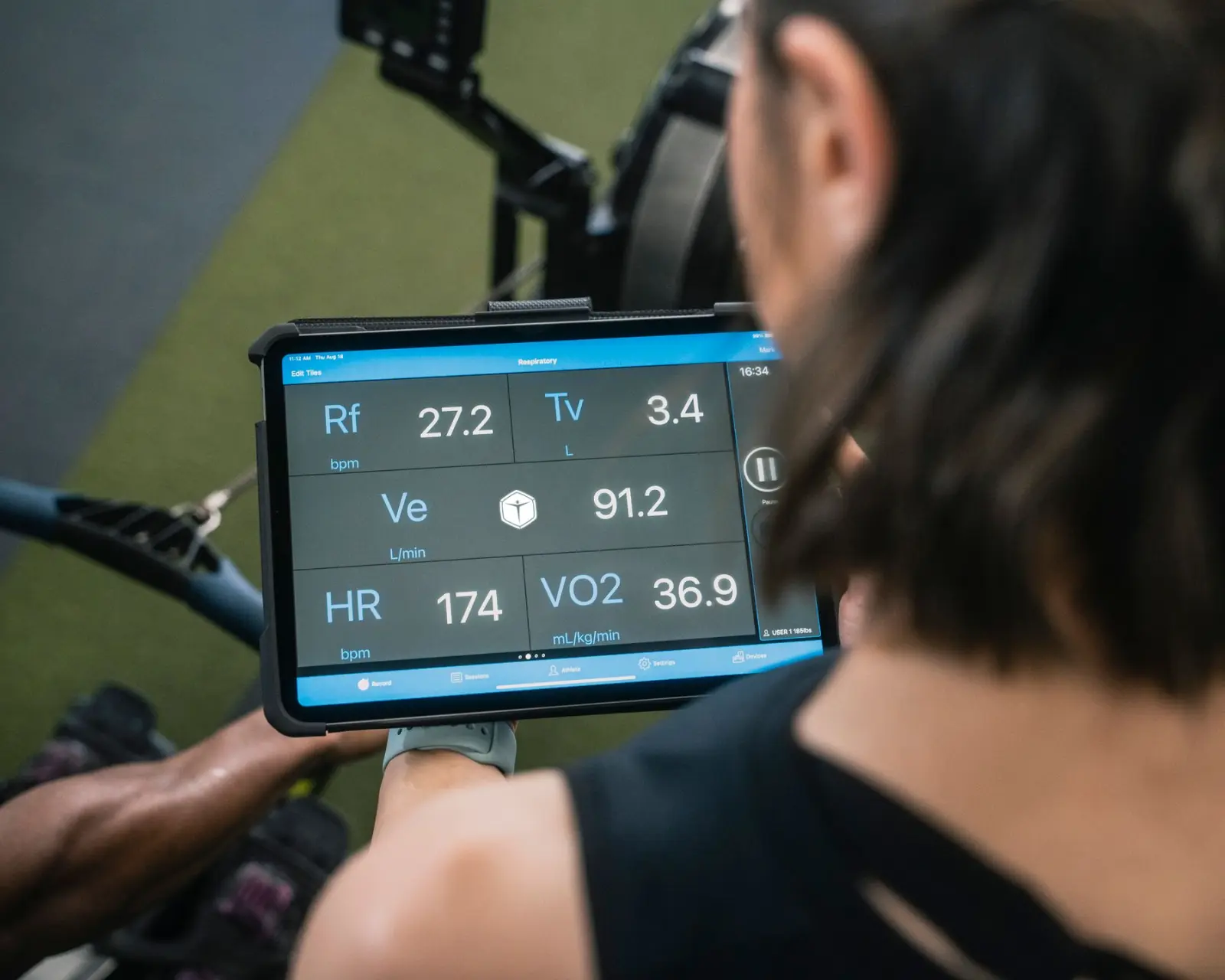
AI can adapt workout plans to each member's progress, available equipment and recovery, estimate exercise form from a phone camera using pose estimation, log meals from food photos, and power coaching chat that keeps members motivated between sessions. For gyms, churn prediction flags members whose attendance is dropping so staff can reach out before cancellation. Each feature should be measured against retention.
Guardrails are essential. Assistants should not give medical advice, should recognize warning signs such as chest pain and direct users to professionals, and should avoid harmful dieting suggestions. Test recommendations with qualified trainers and nutritionists before launch. Keep a human coach available for escalations.