Software, App and AI Development for US Companies
An India-based engineering team that plans its day around your time zone, ships in two-week sprints and builds for HIPAA, CCPA and WCAG from the first sprint.
Working hours across Eastern, Central and Pacific time
India Standard Time is UTC+5:30 and never changes for daylight saving, so the gap to the US shifts by an hour each March and November. New York is 9.5 hours behind India in summer and 10.5 hours in winter; San Francisco is 12.5 and 13.5 hours behind. For East Coast clients the team runs a shifted day, so a 9:00 AM ET stand-up lands at 6:30 PM IST in summer and 7:30 PM IST in winter. For West Coast clients the most comfortable window is your late afternoon, which is early morning in India (6:00 PM PT is 6:30 AM IST in summer), or an 8:00 AM PT call that lands at 8:30 PM IST. Work you hand off at the end of your day is picked up while you sleep, so pull requests, test builds and answers are waiting when you log in.
- Your office day
- 09:00 to 18:00
- Our IST day, your time
- --
- Shared, standard day
- --
10:00 in New York is 20:30 in Dehradun.
From Dehradun to New York, San Francisco, Austin, Boston, Chicago, Los Angeles, Seattle and Miami
Nexzem Technologies is a software and AI development company based in Dehradun, India. We do not have a US office, a US phone line or US staff. We work with US founders, product teams and agencies remotely, the way many distributed American companies already operate: a shared Slack or Teams channel, a Jira or Linear board you can see, a recorded demo at the end of every sprint, and code pushed to your own GitHub organization from the first commit.
What US buyers usually want from an offshore partner is predictable delivery rather than just extra hands. That means a team that already knows how App Store review works, how Stripe, Plaid and Twilio fit into a product, what a SOC 2 auditor will ask for, and why an inaccessible checkout can turn into a demand letter. Our mobile app development and custom software development work is planned around those expectations from discovery onward.
This page covers how working hours overlap across US time zones, the regulations that most often shape architecture for American users, how contracts, IP and invoicing work with an Indian company, and the questions US clients ask most before they sign.
Rules your product has to meet in the United States
General information, not legal advice. We design for these from the first sprint and work alongside your counsel on the specifics.
- 01
HIPAA
Software that handles protected health information for covered entities must meet the Privacy, Security and Breach Notification Rules, and vendors sign a Business Associate Agreement. Consumer health apps outside HIPAA can fall under the FTC Health Breach Notification Rule instead. General information, not legal advice.
- 02
SOC 2
Not a law, but US enterprise buyers routinely ask SaaS vendors for a SOC 2 report against the AICPA Trust Services Criteria. The report belongs to your company; we build the controls auditors test, such as access reviews, change management, logging and encryption.
- 03
CCPA, CPRA and state privacy laws
California residents can access, delete and correct their data and opt out of its sale or sharing, including through Global Privacy Control signals. A growing list of other states has comprehensive privacy laws, so consent and data-rights flows are best designed once and configured per state.
- 04
ADA and WCAG accessibility
US courts and the Department of Justice have treated many websites and apps as covered by the Americans with Disabilities Act, and demand letters are common. WCAG Level AA is the practical benchmark, and Section 508 applies when you sell to federal agencies.
- 05
PCI DSS
Any system that stores, processes or transmits card data is in scope. Hosted payment fields and tokenization from Stripe, Braintree or Adyen keep raw card numbers off your servers and shrink the assessment you have to complete each year.
- 06
COPPA
Apps and sites aimed at children under 13, or that knowingly collect their data, need verifiable parental consent and minimal data collection. This shapes edtech and family apps, and especially which analytics and advertising SDKs are allowed in the build. The FTC's updated COPPA Rule, with compliance required since April 2026, adds separate parental consent before sharing children's data with third parties such as ad networks and a written data retention policy.
Why teams in the United States choose Nexzem
Overlap that is scheduled, not hoped for
Shift timings are agreed in the statement of work, with a named lead available in your morning for stand-ups, reviews and urgent decisions.
US product conventions built in
Stripe, Apple Pay, Plaid, Twilio, US address and phone formats, state sales tax APIs and US-English copy are defaults, not change requests.
Compliance-aware engineering
Audit logging, encryption, role-based access and automated accessibility checks are planned in sprint one, so HIPAA, SOC 2 and WCAG reviews do not force a rebuild.
Your repositories, your IP
Code lives in your GitHub, GitLab or Bitbucket organization from day one, and the contract assigns all IP to you in writing.
One team across app, web and AI
Mobile, web, backend, AI and QA engineers work from one backlog, which removes the hand-off gaps that appear when several vendors split a product.
A record you can check
150+ projects delivered for 250+ clients across 15+ industries, with a 4.9/5 average client rating and case studies published on this site.
Industries we build for in the United States
Sectors where our work lines up with what this market regulates, buys and expects. Each links to the full industry page.

Healthcare
Patient apps, hospital systems and clinical integrations built for privacy rules in India, the US and beyond.
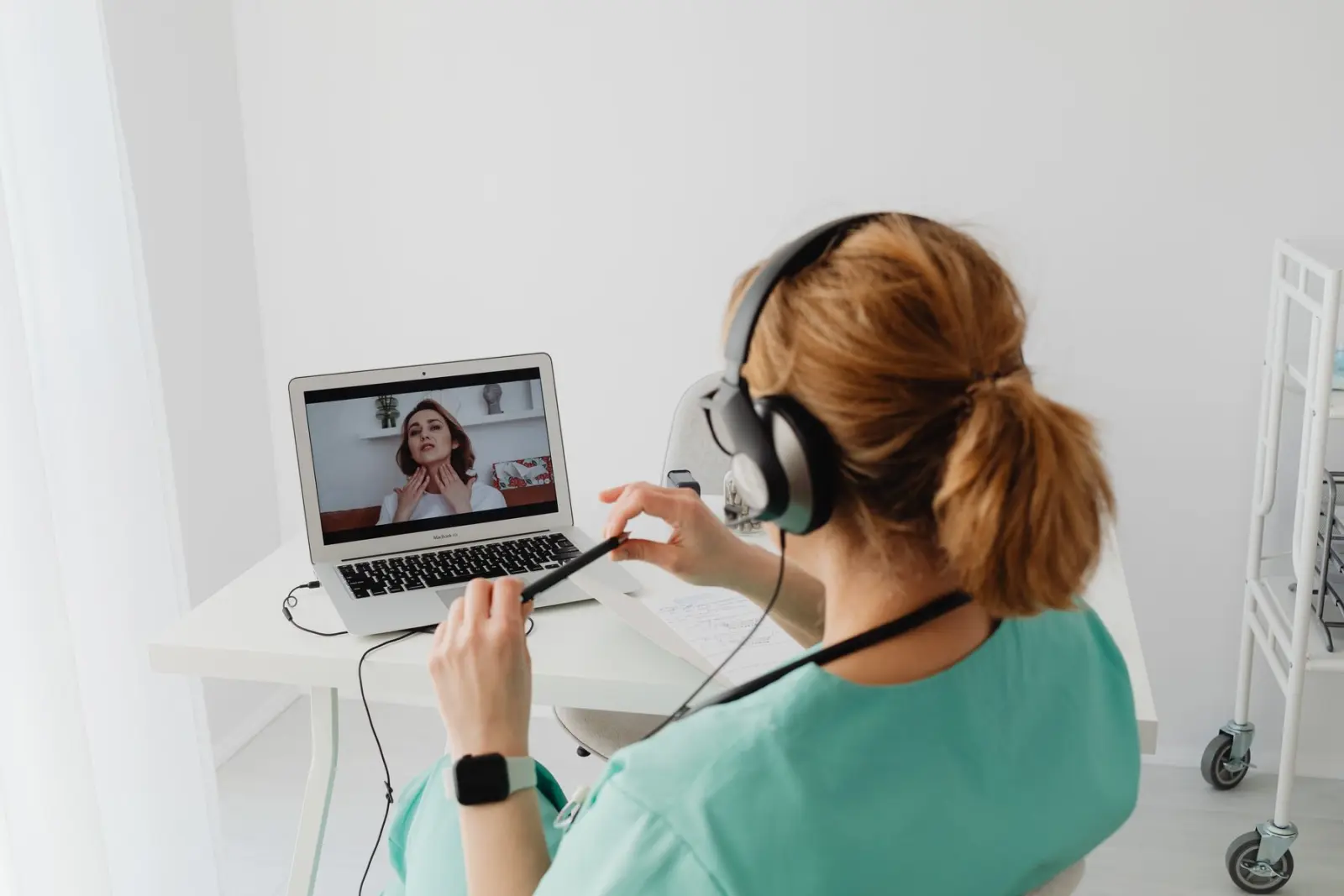
Telemedicine
Video consultation, e-prescription and remote monitoring platforms for clinics, hospitals and digital health startups.

FinTech
Payment, lending, wallet and wealth apps for fintech startups, built secure from the first commit.

SaaS
Multi-tenant SaaS products with subscriptions, admin consoles and integrations, built for founders and software companies.

Retail & eCommerce
Online stores, D2C apps and omnichannel retail software that keep inventory, orders and customers in sync.

Real Estate
Property portals, broker CRMs and project sales software for developers, brokers and property managers.

Logistics & Supply Chain
Fleet tracking, TMS, WMS and delivery apps for transporters, 3PLs, couriers and supply chain teams.

On-Demand Services
Customer, provider and admin apps for home services, delivery, rentals and other on-demand marketplaces.
Contracts, billing and IP for clients in the United States
How an engagement with an India-based team works when your company is in the United States.
Contracts and governing law
Work runs under a master services agreement plus a statement of work per project. Governing law, venue and dispute resolution, such as a US state law with international arbitration, are negotiable and agreed before work starts.
NDA first
A mutual NDA is signed before you share product details, data samples or credentials, and every engineer on the project is bound by confidentiality terms.
Written IP assignment
Under US copyright law, work by an outside contractor is not automatically work made for hire, so our contracts include an explicit assignment of code, designs and models to you on payment.
Billing in USD
Invoicing in USD by international wire can be discussed. Fixed-scope projects bill by milestone, dedicated teams monthly per seat, and time and material work against weekly timesheets.
Vendor paperwork
US finance teams usually ask foreign vendors for a Form W-8BEN-E rather than a W-9, plus a security questionnaire. These can be completed during onboarding; your accountant should confirm reporting for your situation.
Services for businesses in the United States
Each guide covers the local rules, integrations and expectations for that service, alongside how we deliver it.
- 01
Mobile App Development
Native and cross-platform iOS and Android apps built for American users, App Store review, ADA accessibility expectations and US payment habits, by an India-based team.
- 02
Web Application Development
Portals, dashboards and internal tools that pass US enterprise security reviews, meet accessibility expectations and run in US cloud regions.
- 03
AI Development
LLM features, RAG search and AI agents built on your data in your US cloud accounts, with the privacy, accuracy and audit controls American buyers ask about.
- 04
Custom Software Development
Software shaped around how your company actually works, integrated with the US systems you already pay for, with code and IP assigned to you in writing.
- 05
eCommerce Development
Shopify, headless and custom stores built for US sales tax, American payment habits, ADA accessibility and fast mobile checkout.
- 06
UI/UX Design
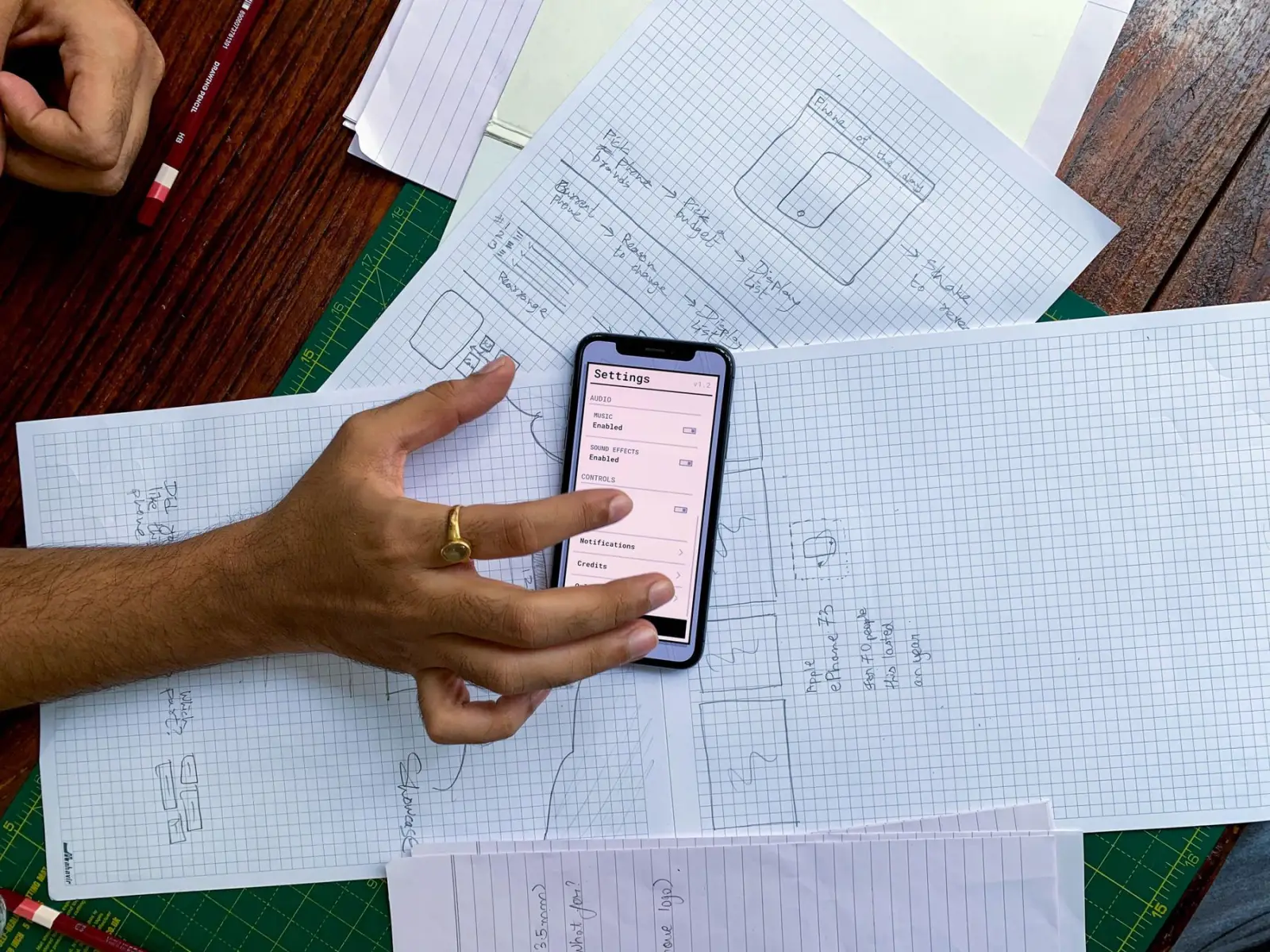
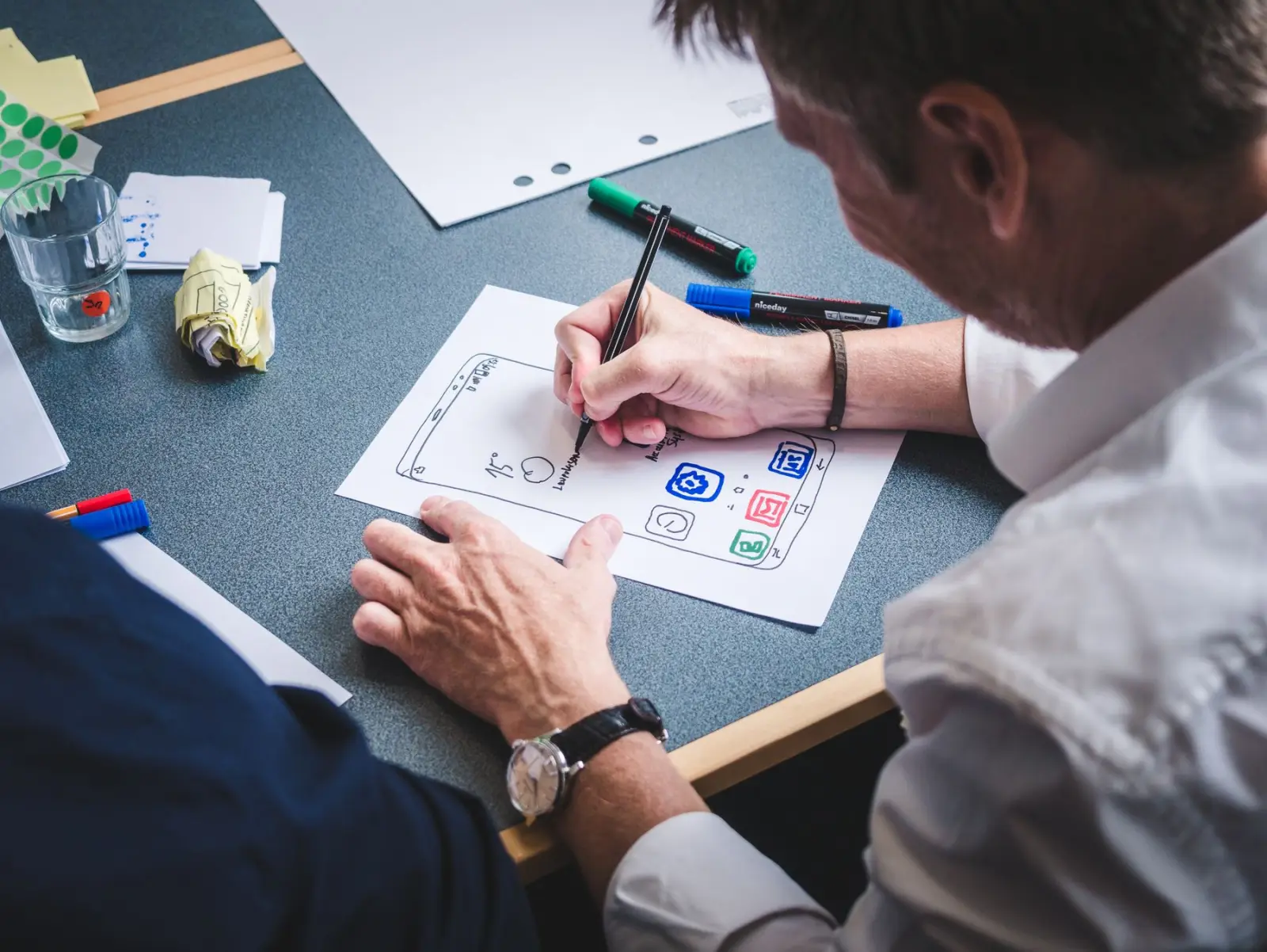
Research, wireframes, prototypes and Figma design systems shaped around American users, US conventions and accessibility expectations.
- 07
SaaS Development
Multi-tenant products with Stripe billing, enterprise SSO and the security controls US procurement teams and SOC 2 auditors expect.
- 08
Custom AI Agent Development
Agents that read, decide and act inside your systems, with the approvals, logs and supervision US regulators and enterprise buyers expect.
- 09
Cloud Services
AWS, Azure and Google Cloud environments built as code in your accounts, designed for HIPAA, SOC 2 and US public sector expectations, and maintained while your users sleep.
- 10
SEO Services
Technical SEO, content and local search built for how Americans search, from Google's local pack to AI answers, with honest reporting and no ranking guarantees.




Questions from the United States
Something else on your mind? Ask a consultant and get a reply within one business day.
Can an Indian company sign a US-law contract?
Yes. Governing law and venue are negotiable, and US clients often choose the law of their own state or Delaware. Because the US is not on India's list of reciprocating territories for court judgments, many contracts add arbitration, since India and the US both enforce awards under the New York Convention. This is general information, not legal advice.
Will you sign a HIPAA Business Associate Agreement?
A BAA can be discussed whenever a project involves protected health information. In practice we design so that PHI stays inside your HIPAA-eligible cloud accounts, engineers use de-identified or synthetic data by default, and production access is limited, logged and approved by you. See our HIPAA compliance services for how the controls are built.
How many hours of real-time overlap will we get?
It depends on your time zone and is fixed in the statement of work. East Coast clients typically get a daily morning window with the lead and developers online. West Coast clients usually combine a short early-morning or late-afternoon call with written async updates, since a full shared day would mean overnight shifts that hurt quality.
Who owns the code and when?
You do. Repositories sit in your organization from the first commit, and the contract assigns copyright and other IP in code, designs, documentation and trained models to you. Open-source components are listed with their licenses at handover, so your legal team can review them.
How do US and Indian holidays affect delivery?
Both calendars go into the sprint plan at kickoff. Indian festivals such as Diwali and Holi, and US holidays such as Thanksgiving and July 4, are known months ahead, so releases and demos are scheduled around them. On-call cover for production systems is agreed separately so support does not pause on either side's holidays.
Do you work with early-stage US startups?
Yes. Many US founders start with a scoped MVP development engagement, then move to a dedicated team once there is traction. A rough budget range can come from our app cost calculator before a discovery call, and a fixed quote follows once scope is agreed.
Nexzem works with clients worldwide. This guide covers what is specific to the United States; the team, process and contracts are the same wherever your company is based.
Building for the United States? Start on your clock.
Tell us what you are building. A consultant replies within one business day and suggests a call time that suits New York.
- 01
Share the brief
Use the form, call, or message us on WhatsApp. A few lines is enough.
- 02
Reply within one business day
A solutions consultant answers, Mon to Sat, 09:30 to 18:30 IST.
- 03
Next steps, estimate and team
A rough estimate and a suggested team, before you commit to anything.